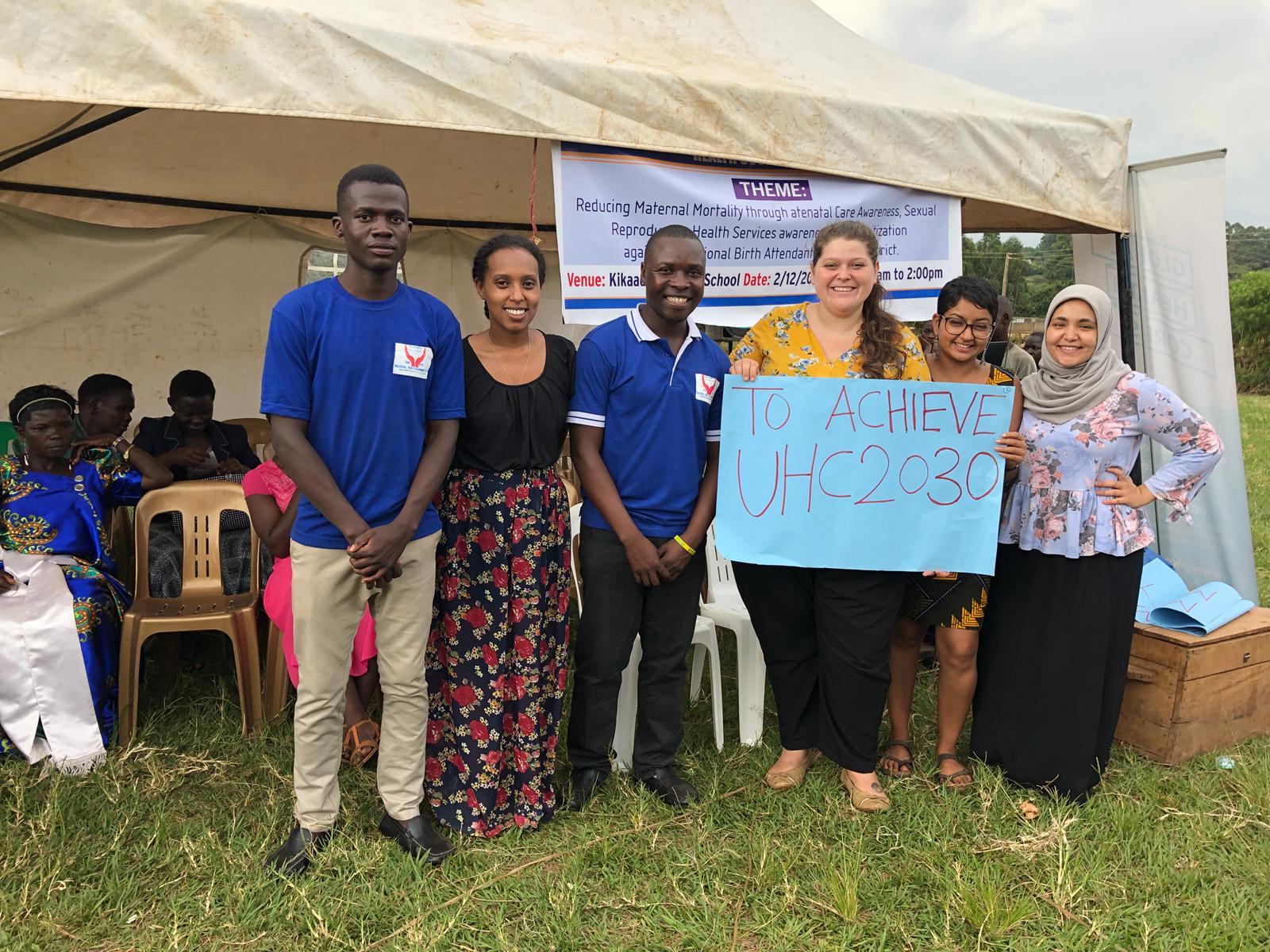
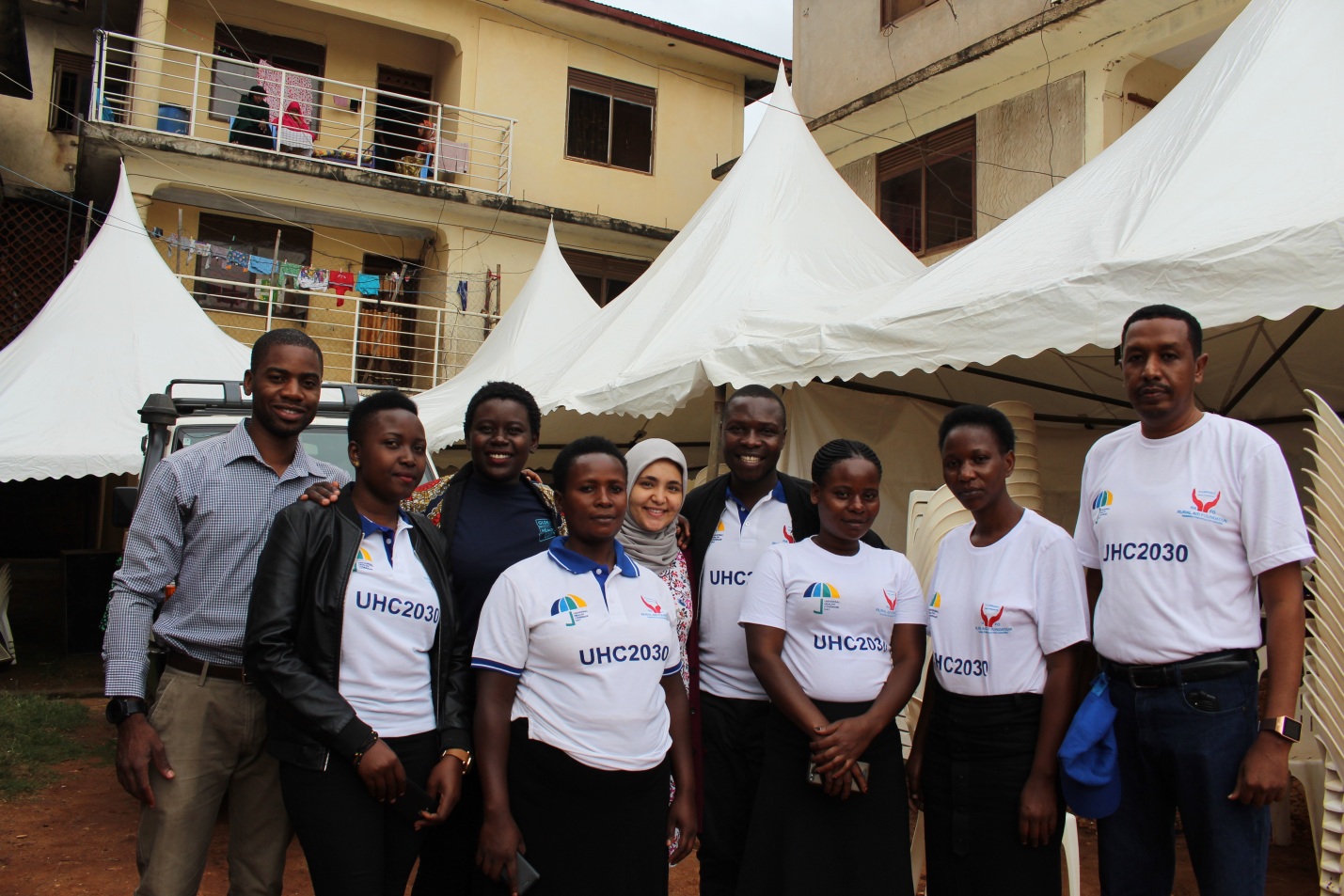
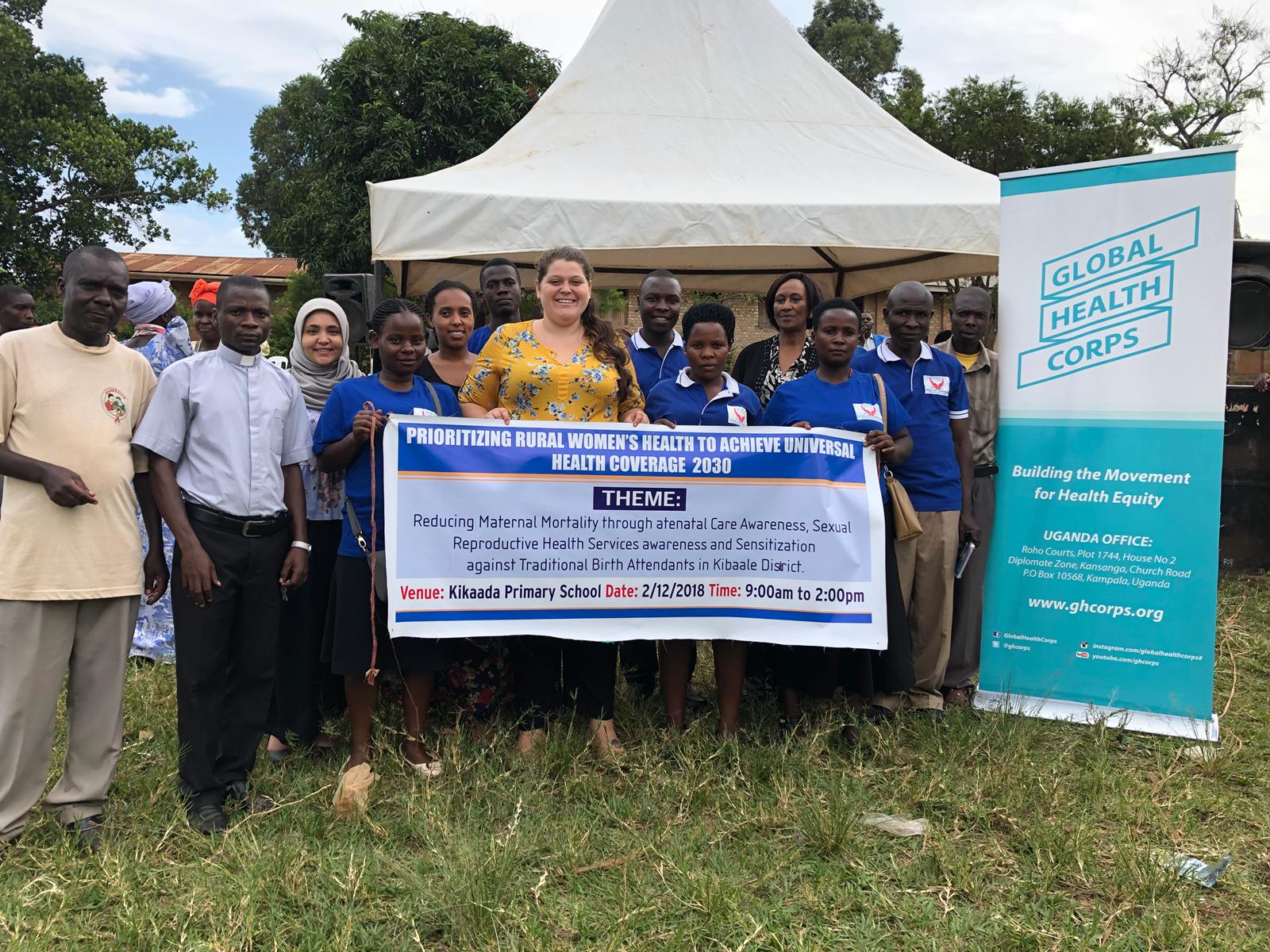
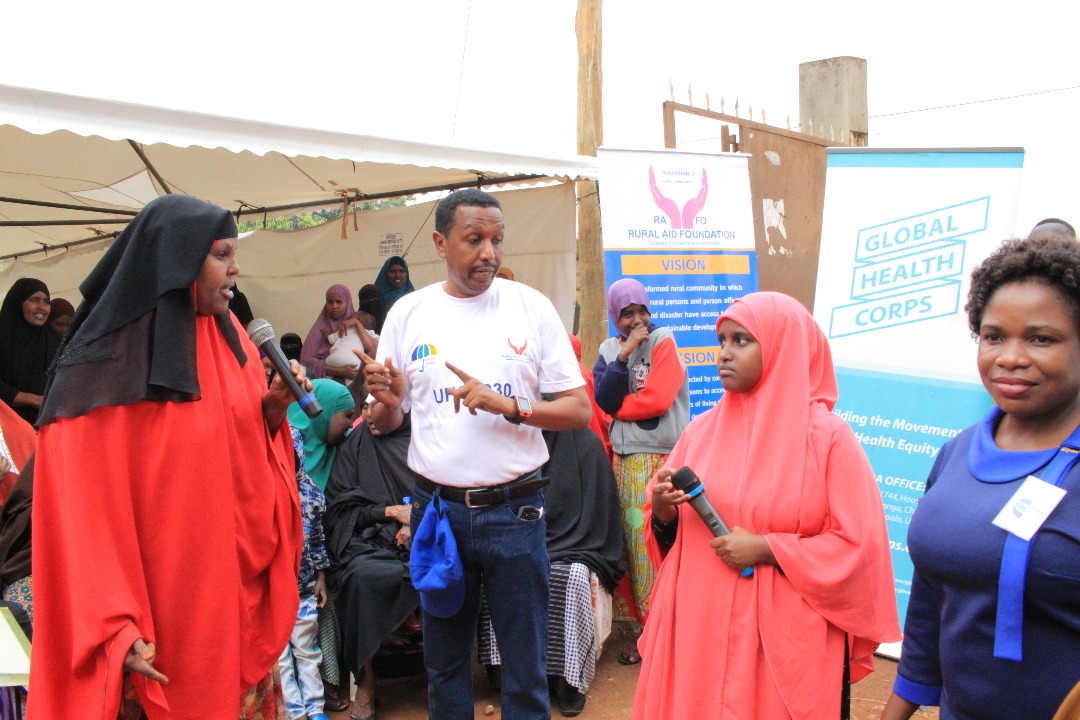
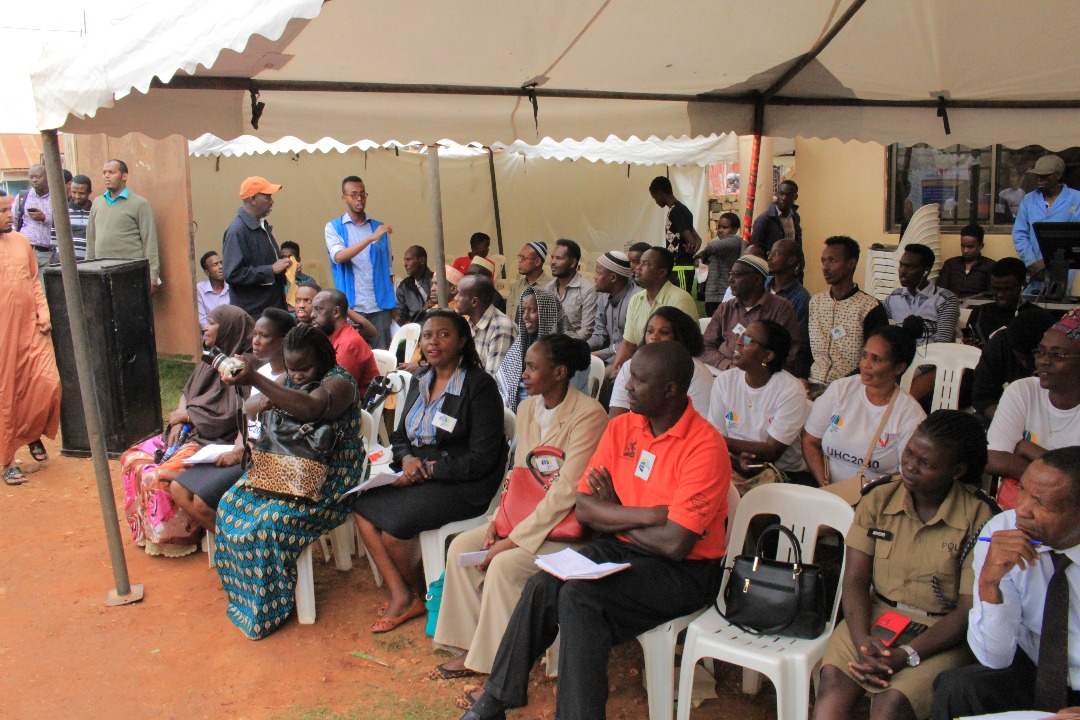
Rural Aid Foundation (RAFO) is a community, women and youths centered non-profit organization whose mandate is to advance and advocate for digital, health and economic rights for vulnerable persons in Uganda.
More than half of Uganda’s population live in the rural settings. Yet, the most vulnerable people live in rural settings where they face more pressing challenges and disproportionate access to digital, health and economic rights and services than their urban counterparts.
Founded by children born through intermarriages between Ugandans and refugees who fled the Rwanda civil war that later culminated into the genocide, Rural Aid Foundation (RAFO) exists to address gaps and this Geographical imbalance in access and enjoyment of digital, health and economic rights and services in Uganda.
Located in the Albertine region, RAFO has offices are located at Ngangi trading center in Kibaale district P o box 153409 Kibaale town council, off Kagadi Mubende road in Bunyoro sub region in Western Uganda. Our programs target hard to reach rural communities and refugee settlements with a focus on the Albertine region and other vulnerable communities in Uganda. However, through advocacy and partnerships, RAFO works at national level and aims to spread their impact throughout Uganda and into East Africa.
Our Geographical scope
Our work is focused on remote rural hard to reach districts in the Albertine region and refugee settlements in Uganda. Rural Aid Foundation operates in the Albertine region of Uganda and strategic districts in central, Eastern and Northern Uganda to advance health, economic and digital rights and empowerment. Through advocacy and partnerships, we also engage at national level with greater kampala area as a strategic district
Our strategies
- Direct service delivery
- Research and evidence generation
- Advocacy
- Media engagement-both online and offline
- Policy analysis
- Community empowerment (capacity building and community awareness on digital, health and economic rights )
- Strategic partnerships and networking
- Innovation and technology adoption
- Human resource development (exchange learning, capacity building, board engagements, institutional policy development and implementation, etc.)